
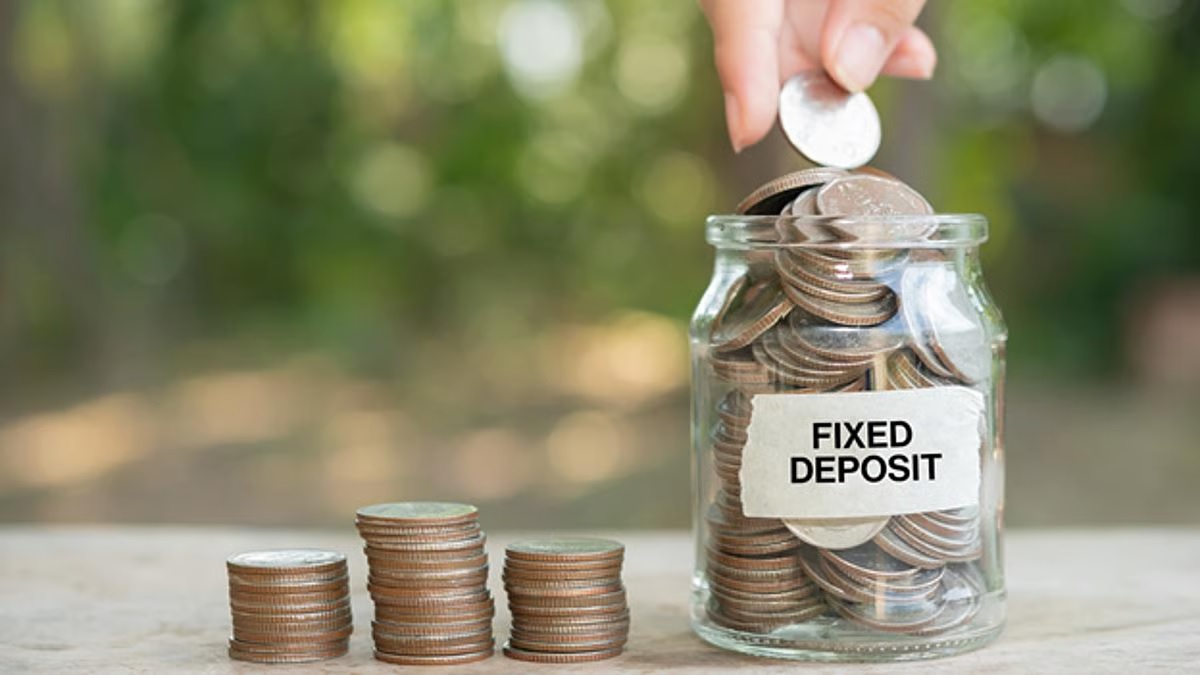
Fixed deposits are usually used to put away funds for a certain amount of time while making a profit from the interest on the sum. However, after the account is opened, one still needs to deal with such aspects as the value of the deposit, the rate of interest on fixed deposits, and the maturity date. The most convenient way of following the details of an FD is by using an FD app.
Understanding the Purpose of a Fixed Deposit
A fixed deposit is when you invest some amount with a bank or an eligible financial institution for a fixed period of time. The issuer pays the agreed interest at the time of the opening of the deposit.
The principal is locked in for the chosen term, but the withdrawal rules are product by product. The amount is paid out at maturity according to the selected payout and deposit conditions. So, interest rate, tenure, and payout method are important for details to know before opening an account.
Accessing Deposit Information Digitally
An FD app can make basic account information easier to access. Depending on the platform, investors can check the deposit amount, interest rate, tenure, and maturity details from their phone.
This can be useful if several deposits were opened at different periods. Having the information available digitally, there is less need to look through separate paperwork.
Monitoring Interest and Account Activity
Interest is a key part of any fixed deposit, but the way it is paid can vary between products. Some deposits pay interest from time to time; others add it to the amount payable at maturity.
An FD app may display interest-related information along with the deposit details. This gives investors a simple way to check whether payments match their records.
If an amount appears different from what was expected, refer to the original deposit terms or contact the issuer through its official channel.
Keeping Important Dates in View
A fixed deposit has many dates that might be important during its tenure. The date of maturity is very important as it is the date on which the deposit terminates its agreed term.
Instead of depending on memory, investors could check the date in their app and put a reminder on their phone.
This provides them with time to see what they want to do with the money after maturity. Then they can review the options available instead of making a hurried choice.
Maintaining Accurate Account Details
Keeping personal information updated is another part of managing a deposit. Changes to a registered mobile number, email address, or linked account may need to be reported through the appropriate process.
An FD app can make it easier to identify the information added to the account. However, not every change can be completed within the app.
Investors should follow the issuer’s process when an update requires additional verification or documentation.
Keeping Tax and Deposit Records Organised
Interest earned from fixed deposits is generally taxable under applicable income tax rules. Depending on the circumstances, the bank may also deduct TDS when the relevant threshold is crossed.
Keeping interest statements and TDS records together can make it easier to refer to them when preparing tax information.
This is how users may keep transaction records while using a credit card app. The purpose is different, but maintaining clear financial records can make routine tracking easier.
Understanding What an App Cannot Do
An app can make account management simpler, but it does not change the underlying deposit terms.
For example, the app cannot remove applicable premature withdrawal conditions or change the interest rate offered by the issuer. It also cannot remove the financial risks associated with the institution holding the deposit.
Investors should therefore read the product terms rather than relying only on the information displayed on the screen.
Separating FD Features from Other Financial Services
Financial apps may offer several services under one platform. An app, for instance, may focus on billing, transactions, available credit and credit card benefits.
A fixed deposit service has a different purpose. Its focus is the deposit, interest calculation, account records, and maturity-related information.
Understanding this difference helps users assess each financial product based on its own terms rather than if every app works in the same way.
Conclusion
Fixed deposits are relatively straightforward products, but managing them still involves keeping track of important information and dates. An FD app can bring these details together and make routine account management easier. The app is a management tool, not a replacement for reading deposit terms or checking financial records. Those looking to manage financial services digitally can also explore the Jio Finance app through one platform.
