
Introduction
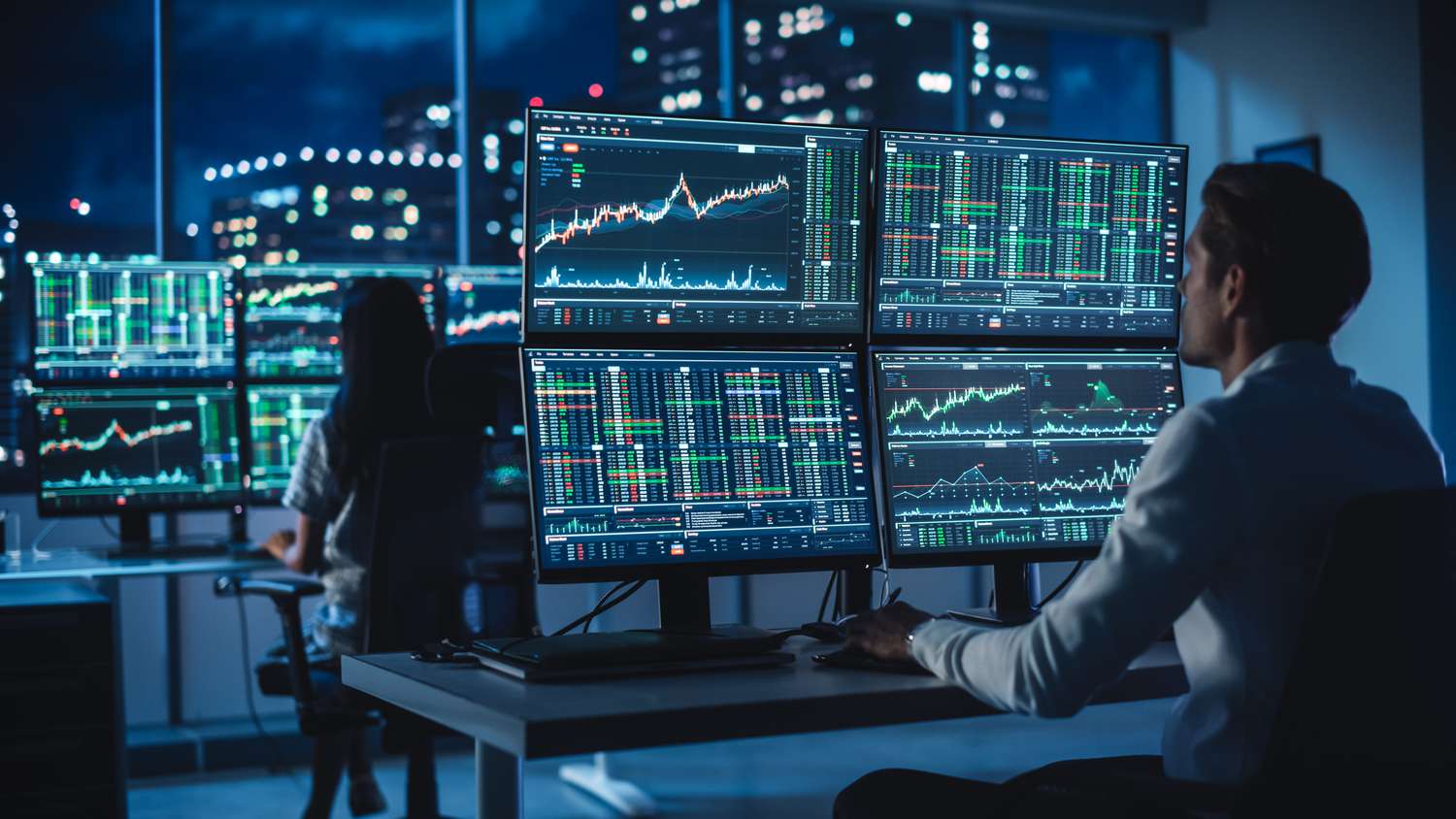
Trading is a cornerstone of the global financial markets, providing opportunities for individuals and institutions to invest, speculate, and grow wealth. From stocks and commodities to forex and cryptocurrencies, trading offers a variety of avenues for participants seeking both short-term gains and long-term investment growth. Understanding the dynamics of trading, the tools available, and the risks involved is essential for anyone interested in entering this competitive landscape. Modern trading blends analytical skills, technology, and market psychology, making it as much an art as it is a science.
History and Evolution of Trading
The practice of trading dates back centuries. Early civilizations engaged in barter systems, exchanging goods and services based on perceived value. With the advent of currency, trading became more standardized, paving the way for markets and exchanges. The Amsterdam Stock Exchange, established in 1602, is considered the world’s first official stock market, offering a platform for buying and selling shares of the Dutch East India Company.
Over the years, trading has evolved from physical marketplaces to digital platforms. The rise of computers and the internet revolutionized access to global markets, allowing individuals to trade from anywhere with real-time data and sophisticated analysis tools. Today, electronic trading platforms dominate, making markets more accessible and liquid than ever before.
Types of Trading
Trading encompasses a wide range of markets and strategies, each with its own characteristics and requirements. Understanding the different types of trading is crucial for selecting the right approach.
1. Stock Trading
Stock trading involves buying and selling shares of publicly listed companies. Traders aim to profit from price fluctuations or long-term growth in company value. Key approaches include:
- Day Trading: Buying and selling stocks within a single trading day to capitalize on short-term price movements.
- Swing Trading: Holding positions for several days or weeks to exploit medium-term trends.
- Position Trading: Long-term strategy based on fundamental analysis and broader market trends.
2. Forex Trading
Forex trading, or foreign exchange trading, involves buying and selling currency pairs. It is the largest and most liquid market globally, with daily trading volumes exceeding $6 trillion. Forex traders use strategies such as trend following, scalping, and carry trading, leveraging economic indicators, interest rates, and geopolitical events.
3. Commodity Trading
Commodities like gold, oil, and agricultural products are traded on specialized exchanges. Commodity trading can be influenced by supply-demand dynamics, geopolitical tensions, and seasonal trends. Strategies often involve hedging against price volatility or speculating on short-term movements.
4. Cryptocurrency Trading
The rise of cryptocurrencies introduced a new frontier for traders. Digital assets like Bitcoin, Ethereum, and altcoins offer high volatility and potential for significant returns. Cryptocurrency trading involves spot trading, futures contracts, and decentralized finance (DeFi) platforms. Traders must be mindful of market liquidity, technological risks, and regulatory developments.
5. Options and Derivatives Trading
Options and derivatives allow traders to speculate on asset prices without owning the underlying asset. Options provide the right, but not the obligation, to buy or sell an asset at a predetermined price, while futures contracts obligate the buyer to purchase at a future date. These instruments are used for hedging, risk management, and advanced trading strategies.
Trading Strategies and Techniques
Successful trading requires a combination of strategy, analysis, and discipline. Traders typically employ one or more of the following techniques:
Technical Analysis
Technical analysis involves studying price charts, patterns, and indicators to predict future market movements. Common tools include:
- Moving Averages: Identify trends and potential reversals.
- Relative Strength Index (RSI): Measures market momentum to identify overbought or oversold conditions.
- Candlestick Patterns: Visual representations of price action to detect market sentiment.
Fundamental Analysis
Fundamental analysis evaluates the intrinsic value of an asset based on economic, financial, and qualitative factors. For stocks, this includes earnings reports, revenue growth, and industry trends. For currencies, it involves macroeconomic indicators, central bank policies, and geopolitical events.
Sentiment Analysis
Market sentiment reflects the overall attitude of traders toward a particular asset. Tools like the Commitment of Traders (COT) report and social media sentiment tracking help traders gauge market mood and potential price movements.
Algorithmic Trading
Algorithmic or automated trading uses computer programs to execute trades based on predefined rules. This method is widely used by institutional traders and hedge funds to capitalize on speed, accuracy, and data analysis capabilities.
Trading Platforms and Tools
Modern trading relies heavily on technology. Selecting the right platform is crucial for efficient execution, analysis, and risk management. Key features to consider include:
- Real-Time Market Data: Accurate and up-to-date information is essential for timely decisions.
- Advanced Charting Tools: Enable technical analysis and pattern recognition.
- Risk Management Features: Stop-loss orders, take-profit levels, and position sizing tools.
- Mobile Accessibility: Many traders require platforms that function seamlessly on smartphones and tablets.
- Educational Resources: Tutorials, webinars, and market insights help traders enhance their skills.
Risk Management in Trading
Trading carries inherent risks, and effective risk management is essential to long-term success. Key practices include:
- Position Sizing: Determining the appropriate amount to invest in each trade based on risk tolerance.
- Stop-Loss Orders: Automatically exiting a trade at a predetermined loss level to prevent catastrophic losses.
- Diversification: Spreading investments across multiple assets or markets to reduce exposure.
- Emotional Discipline: Avoiding impulsive decisions driven by fear or greed.
Psychology of Trading
Beyond technical skills, trading requires psychological resilience. Emotional factors such as fear, greed, overconfidence, and impatience can significantly impact decision-making. Successful traders develop routines, maintain discipline, and employ strategies to mitigate emotional biases. Techniques like journaling trades, setting realistic goals, and taking regular breaks help maintain focus and objectivity.
Regulatory Environment
Trading is subject to regulation to protect market integrity and investors. Regulatory bodies vary by country:
- United States: Securities and Exchange Commission (SEC) and Commodity Futures Trading Commission (CFTC).
- United Kingdom: Financial Conduct Authority (FCA).
- European Union: European Securities and Markets Authority (ESMA).
- Asia: Varies by country, with authorities like the Securities and Exchange Board of India (SEBI) and Japan’s Financial Services Agency (FSA).
Regulations cover areas such as licensing, reporting requirements, anti-money laundering measures, and investor protection. Traders must remain informed about local laws and compliance requirements.
Emerging Trends in Trading
The trading landscape continues to evolve with technology and market innovation:
- Social Trading: Platforms like eToro allow traders to follow and copy the strategies of experienced investors.
- Decentralized Finance (DeFi): Blockchain-based trading removes intermediaries, enabling peer-to-peer transactions.
- Artificial Intelligence (AI): AI tools analyze large datasets to identify trading opportunities and optimize strategies.
- Sustainable and ESG Investing: Traders increasingly consider environmental, social, and governance factors when making investment decisions.
Conclusion
Trading is a multifaceted discipline that combines analytical skills, market knowledge, technology, and psychological resilience. Whether engaging in stocks, forex, commodities, cryptocurrencies, or derivatives, traders must continuously educate themselves, adapt to market dynamics, and manage risks effectively. The evolution of digital platforms and emerging technologies has democratized access to global markets, creating opportunities for both individual traders and institutions. By understanding trading fundamentals, applying disciplined strategies, and maintaining emotional control, participants can navigate financial markets successfully and pursue their investment goals.
FAQ
1. What is the difference between trading and investing?
Trading focuses on short-term price movements to generate profits, while investing involves buying assets with the intention of holding them long-term for growth and income.
2. Can beginners succeed in trading?
Yes, but success requires education, practice, risk management, and patience. Beginners should start with demo accounts before committing real capital.
3. What is leverage in trading?
Leverage allows traders to control larger positions with a smaller amount of capital. While it can amplify profits, it also increases potential losses, making risk management essential.
4. How does algorithmic trading work?
Algorithmic trading uses computer programs to execute trades based on predefined rules and strategies, often analyzing market data faster and more accurately than humans.
5. Are cryptocurrencies safe for trading?
Cryptocurrency markets are highly volatile and carry risks including price swings, technological vulnerabilities, and regulatory uncertainty. Traders must exercise caution and stay informed.
6. What are the best tools for market analysis?
Common tools include charting software, economic calendars, technical indicators like moving averages and RSI, news feeds, and sentiment tracking platforms.
7. How important is psychology in trading?
Psychology is critical. Emotional discipline, risk tolerance, and the ability to stick to a plan significantly impact trading performance. Maintaining objectivity is as important as analytical skills.
This article provides a detailed roadmap for anyone looking to understand trading, explore different markets, and develop effective strategies. It emphasizes practical knowledge, risk management, and emerging trends that shape the modern trading landscape.
